
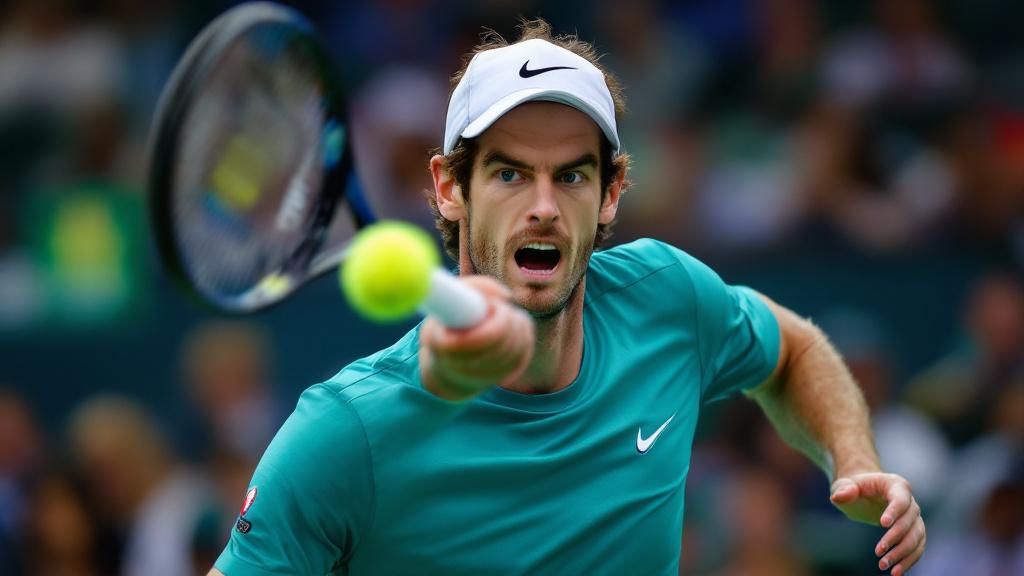
Andy Murray’s carefully orchestrated comeback to competitive tennis has sent shockwaves through the British sporting establishment, signalling a possible resurgence for the nation’s most successful player. Following his career-threatening hip surgery, Murray’s measured reintroduction to competition promises to transform the landscape of British tennis, motivating a new generation whilst reviving hopes of further Grand Slam glory. This article explores how his measured approach to tournament competition is affecting developmental programmes, supporting rising prospects, and reinforcing Britain as a competitive powerhouse in international tennis.
The Returning Champion
Andy Murray’s comeback to competitive tennis goes well beyond a individual accomplishment; it embodies grit and resolve that reverberates through British athletics. After undergoing a potentially career-ending hip surgery, many wondered whether the three-time Grand Slam champion would ever compete at the highest level again. His decision to stage a comeback, however, demonstrates an unwavering commitment to his game and an unconquerable determination that has characterised his competitive life. The global sports community observes with keen interest as Murray tackles this transformative period, demonstrating that age and physical setbacks need not shape an athlete’s direction or performance goals.
The implications of Murray’s strategic return go far past his individual performance on court. His involvement with professional tournaments revitalises British tennis, providing a tangible example of perseverance to emerging athletes navigating their own challenges. Moreover, his return story provides crucial guidance in emotional resilience and athletic recuperation, establishing new benchmarks for athletic longevity. As Murray competes once more, he at the same time coaches the next generation, creating a link connecting proven success and emerging talent that reinforces the whole British tennis landscape.
Effect on British Tennis Growth
Murray’s return to competitive play has sparked considerable impetus within UK tennis development. His presence at premier competitions boosts the game’s standing across Britain, attracting increased investment in junior development initiatives and coaching centres. The knock-on benefits extend beyond professional ranks, inspiring community involvement and prompting sports authorities to focus on player discovery and nurturing pathways for up-and-coming British talent.
Mentorship and Direction
Beyond his courtside performances, Murray has assumed an increasingly prominent coaching position within the UK tennis sector. His readiness to impart experience gained from competing at the elite standard offers invaluable guidance to younger players charting their own career trajectories. This casual mentoring impact enhances established programmes, offering practical insights into competition readiness, mental resilience, and managing professional expectations.
Murray’s availability to emerging talent marks a shift away from traditional hierarchies across professional competition. By working closely with gifted junior competitors, he shows dedication to the advancement of British tennis. His mentorship extends further than technical coaching, encompassing career planning, sponsorship deals, and psychological strategies vital to achieving enduring success in international competition.
- Provides expert advice on event choice and scheduling
- Shares mental resilience techniques built over career
- Facilitates introductions to coaching and support staff networks
- Demonstrates workplace excellence through reliable dedication
- Encourages equilibrium between drive and individual health
Performance Comparison and Rankings
Murray’s re-entry into competitive tennis has shown impressive durability, with his statistical indicators revealing a athlete seeking to recapture his standing among the sport’s top players. Despite the inherent physical rigours of professional competition, his positional progression has gradually climbed, showcasing his tactical expertise and emotional strength. His successes against recognised opponents have sparked renewed debate about his potential to contend for Grand Slam honours, whilst also delivering important insights on his recovery progress and tournament fitness.
The deliberate strategy of Murray’s tournament selection has proven instrumental in managing his recuperation whilst maintaining competitive edge. By carefully balancing elite-level events with sufficient rest intervals, he has enhanced his performance trajectory without compromising lasting viability. His achievements have galvanised British tennis enthusiasts and commentators alike, demonstrating that prior injuries and advancing years need not diminish a competitor’s drive or achievements at the highest echelons of elite competition.
Future Prospects and Legacy
Andy Murray’s calculated comeback to the professional circuit has significantly transformed perceptions of what defines a thriving career in tennis. His thoughtful methodology shows that sustained play and deliberate competition can exist together physical challenges, delivering meaningful guidance to aspiring athletes globally. The wider consequences of his resurgence transcend individual success; Murray’s presence on the circuit revitalises the British tennis system, generating investment and media attention previously directed elsewhere. His effect on the next generation illustrates how experience and resilience transcend standard career patterns, creating updated measures for sporting endurance.
Looking forward, Murray’s legacy will undoubtedly comprise more than tournament victories and ranking positions. His commitment to mentoring emerging British talent has built a enduring framework for the coming generation of competitors seeking international prominence. By balancing competitive ambitions with coaching duties, Murray has positioned himself as both playing member and steward of British tennis’s future. This dual role strengthens the nation’s competitive foundation whilst ensuring his deep experience benefits the sport long after his final playing career, cementing his status as transformative figure within British sporting history.
